
Fast Turn Circuit Board Manufacturing
Quick turn circuit board manufacturing is a process that converts PCB designs into real structures. It’s an important step that helps in meeting deadlines, outpacing competitors, curtailing development expenses, and addressing unexpected demand surges. It’s also helpful in facilitating design revisions and ensuring fast time-to-market. However, it’s critical to choose the right manufacturer for this process since poor-quality boards may cause serious issues and delays in production.
PCBs can be made in various shapes and sizes, depending on their intended functions. While rigid PCBs are widely used in commercial electronics, flexible circuit boards have unique applications. They can withstand harsh environmental conditions such as moisture, chemicals, dust, and extreme temperature fluctuations. Additionally, they can tolerate vibrations that can otherwise damage solder connections and other components. Consequently, a high-quality flexible printed circuit board can improve the performance of your device.
The first step to creating a quick turn fast turn circuit board manufacturing is prototyping. This enables the designer to test out different builds and fix any errors before going into production. The prototype phase is a great opportunity to optimize board layout and conduct an electrical test. It’s also a chance to assess all tooling arrangements and verify that the CAM data is correct.
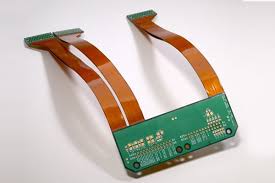
How Fast Turn Circuit Board Manufacturing Can Be Used For Flexible PCBs
Another step to creating a quick turn flex circuit is etching. This requires careful planning to ensure that the copper is evenly distributed. If the etch patterns are too dense, it can increase the processing time and result in a lower yield. Additionally, if the traces have large gaps between them, it can lead to increased impedance. Moreover, the length and width of traces should be kept in mind to maintain proper adherence with manufacturing rules.
When routing a flex PCB, it’s crucial to avoid sharp corners in curved terrain. This prevents stress points from forming, which can shorten the lifespan of the circuit. It’s also essential to stagger traces close to bending locations. It’s best to avoid overlapping traces in these areas because it can reduce the strength of the bend, leading to damage and unreliable operation.
Choosing the right flex PCB material is also an essential consideration for this process. In order to achieve the best results, it’s crucial to use materials that meet IPC-2223 flex standard requirements. This includes specifying the ZIF contact finger dimensions, coverlay opening dimensions, and stiffener thickness and dimension in Gerber and material stack-up. This ensures that the flex circuit can safely connect to the ZIF connector without breaking or damaging it.
When selecting a rapid-turn flex PCB manufacturer, it’s important to consider the cost of the materials and manufacturing services. You want to choose a company that will offer you the best value for your money. To do so, it’s important to compare quotes from several manufacturers. Also, consider factors such as their technical capabilities, material availability, and quality systems. This way, you’ll find the right manufacturer for your project. A reliable partner can help you save valuable resources and deliver the fastest possible turnaround time.


