
fpc pcb be used in wearable technology
When designing a wearable device, the goal is to make it as small as possible while still providing all the functionality of a larger electronic device. This requires careful consideration of the physical size and shape of the device, as well as its power consumption, battery life, reliability, and heat generation. Minimizing size and weight is not an easy task, but it is one of the most important factors to consider when creating a wearable device.
To make a wearable device smaller and lighter, it is crucial to use a PCB that has low power consumption and high performance. FPCs are a popular choice for this purpose, as they have the capability to transmit signals over long distances while maintaining low power consumption. fpc pcb can also support wireless communication with a wider bandwidth, which improves signal integrity and reduces delay times.
A major trend in medical devices and wearable technology is the need to make them as small as possible while still performing their designated functions reliably. FPC flexible circuit boards can help to meet this requirement by reducing the size of the device and making it easier to manufacture.
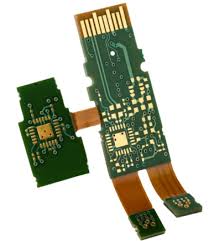
Can fpc pcb be used in wearable technology?
FPCs are made of fiberglass or FR-4 materials, and they are coated with epoxy resins. This gives them strength and durability, while ensuring that they can withstand the necessary bending or folding required of wearable devices. The bending resistance of FPCs is high, and they can be folded hundreds of times without losing their ability to conduct electricity. This makes them a suitable material for wearable devices, as they are likely to be subjected to significant mechanical stress in the course of daily use.
In addition to their physical flexibility, FPCs offer several other benefits that make them a perfect fit for wearable technology. For example, they are capable of supporting a wide range of frequency bands, making them ideal for use in a variety of wireless wearable devices. In addition, they can be made with multiple layers, which helps to minimize the crosstalk between adjacent traces, improving electromagnetic compatibility (EMI).
Moreover, FPCs are available in different sizes and thicknesses. This allows them to be used in a variety of wearable devices, ranging from simple fitness trackers to advanced health and wellness monitoring systems. In addition, they can be made with different layer counts and finishes, which can help to meet the specific requirements of each application.
If you are looking for a high-quality and reliable manufacturer to produce your flex PCB, Capel is the company for you. We offer a comprehensive suite of services, from design to prototyping to volume production. Our expertise in 4-layer flexible PCB solutions for IoT and wearables is unmatched, and our commitment to quality sets us apart from the competition. Contact us today to get started on your project. We would be happy to discuss your needs and provide you with a quote. We look forward to hearing from you!


