
Advantages of Rigid Flex Printed Circuit Boards
Rigid flex PCBs are an innovative technology that combine rigid sections with flexible areas to allow dynamic movement and bending. Engineers and designers can harness the power of these hybrid circuit boards to create cutting-edge electronic devices that meet the demands of a range of industries. To maximize the potential of flex-rigid PCBs, it’s important to consider design, cost and manufacturing considerations.
The combination of rigid and flexible sections in a flex-rigid PCB allows designers to maximize space, reduce product weight and improve electrical performance. In addition, rigid-flex PCBs can support standard surface-mount technology (SMT) components and eliminate the need for extra connectors and cables, which can increase reliability. This is especially critical for high-speed and high-frequency applications where signal integrity is important.
Rigid-flex PCBs can be made with a variety of materials, including both rigid laminates and flexible substrates. Rigid-flex PCBs can also offer more complex designs, allowing engineers to minimize space constraints and address other requirements. However, the complexity of the design and the use of multiple layers can increase production costs. Moreover, a rigid-flex printed circuit board can require more iterations during the prototyping phase, which can add to overall development expenses.
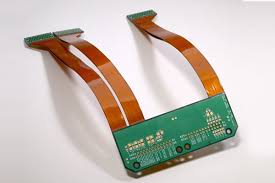
Exploring the Advantages of Rigid Flex Printed Circuit Boards
Compared to traditional rigid PCBs, flex-rigid PCBs can be more costly to produce due to their more complicated manufacturing processes. However, they can offer unique benefits that make them a worthwhile investment in specialized scenarios.
Flex-rigid PCBs can help designers overcome challenges in a range of sectors, from consumer electronics to automotive and aerospace technology. They can also support the evolution of new technologies, such as driver-assistance systems and medical implants.
In consumer electronics, flex-rigid PCBs enable sleek and compact designs that can accommodate flexible or curved components. They can also help manufacturers reduce product weight by replacing cables with more space-efficient interconnections. Rigid-flex PCBs are also a preferred choice for wearable technology such as smartwatches and fitness trackers, which must withstand the body’s motions.
Rigid-flex PCBs have a wide range of applications in the automotive industry, including infotainment and engine control units. They can also be used in medical equipment, such as neurostimulators, which need to maintain connectivity while conforming to the shape of the body.
Rigid-flex PCBs can enhance the performance and reliability of a vehicle’s electrical system by reducing weight and simplifying the assembly process. They can also help to improve safety by reducing the number of connections and eliminating potentially hazardous solder joints. This can make a rigid-flex PCB a suitable solution for applications such as advanced driver-assistance systems and infotainment systems, which must withstand the demands of the harsh environment. Moreover, they can facilitate more efficient heat management and ensure optimal performance in the face of extreme temperatures.


